
Study on animal identification and missing pets
What identification methods do pet owners use? Have they ever lost their pet, and how did they find it?
Your pet's runaway and identification
The Weenect survey looked at our customers' knowledge of pet identification and their experiences of losing their pets, seeking to answer several key questions.
Sample
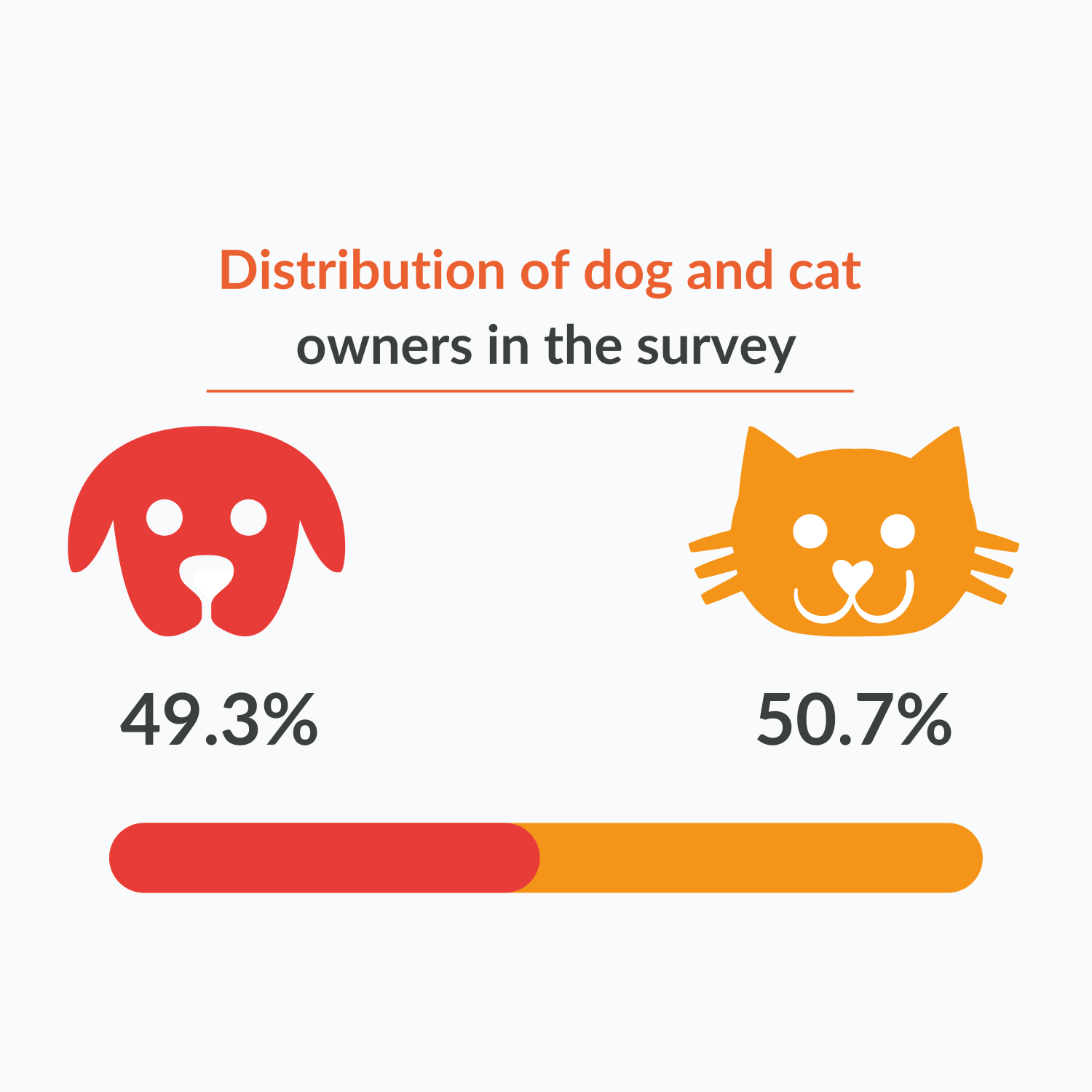
For a complete and accurate picture, the survey was based on a customer survey of 1,444 French, Swiss, Austrian, Belgian and German Weenect customers, 846 of whom are dog owners and 872 cat owners, providing detailed information on their profiles, knowledge, opinions and experiences related to pet identification and loss.
This enabled a detailed understanding of the use of identification services and experiences of pet loss, providing valuable insights into respondents' behaviors and expectations.
NB: This survey also takes into account animals lost before our customers acquired our trackers.
Study findings
Discover the detailed results of our study, through a series of lessons learned illustrated by graphs.
Respondents are well informed about how the identification system works.
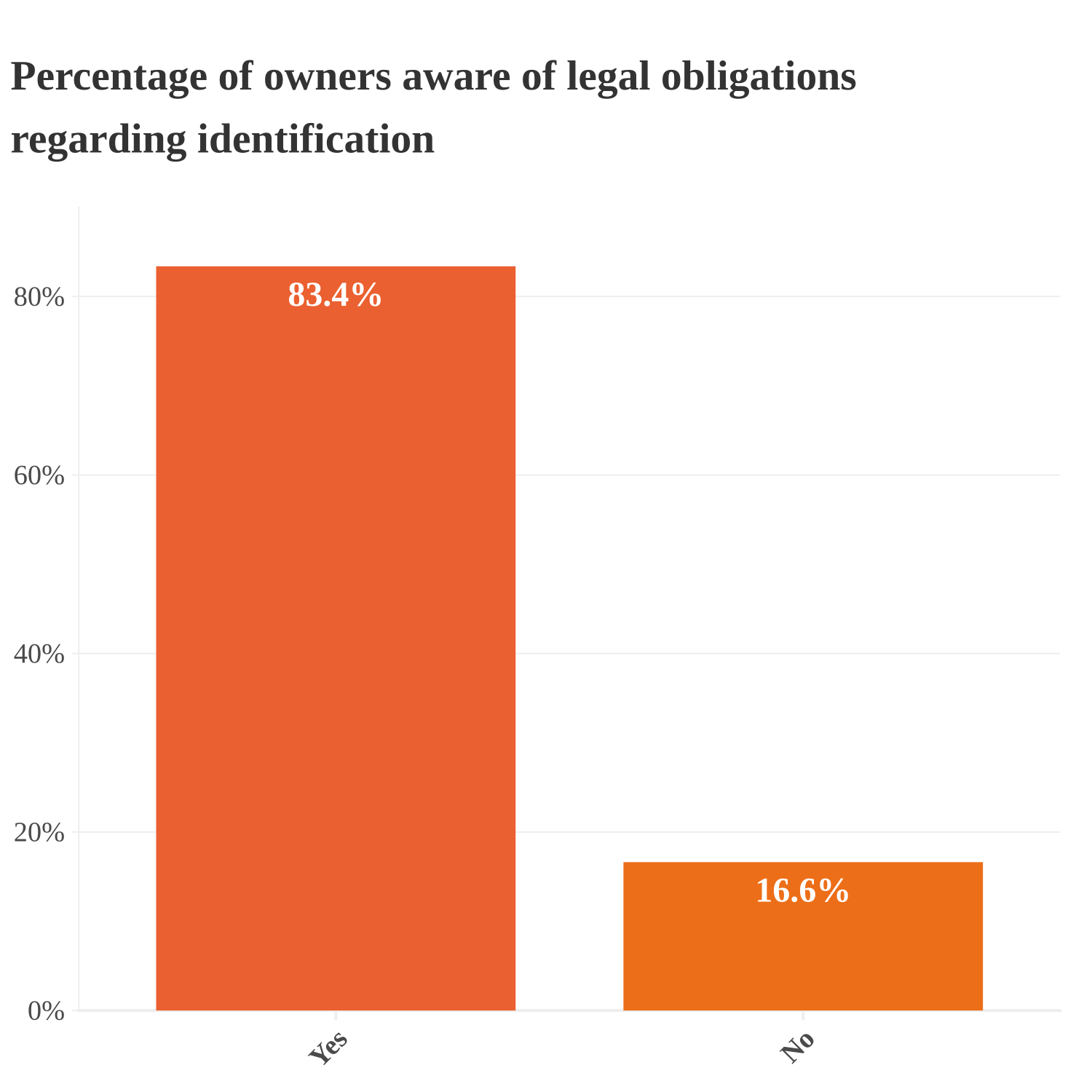
They know the current laws on animal identification
According to our survey, 83.4% of pet owners are aware of the legal requirements for pet identification in their country. .
A good knowledge of the information update procedure
Our study reveals that 85.3% of pet owners are aware of the need to update information in the event of a move. However, we note a lack of awareness among the under-25s, of whom only 66.7% are informed, compared with over 80% for other age groups.
The microchip, the predominant identification method
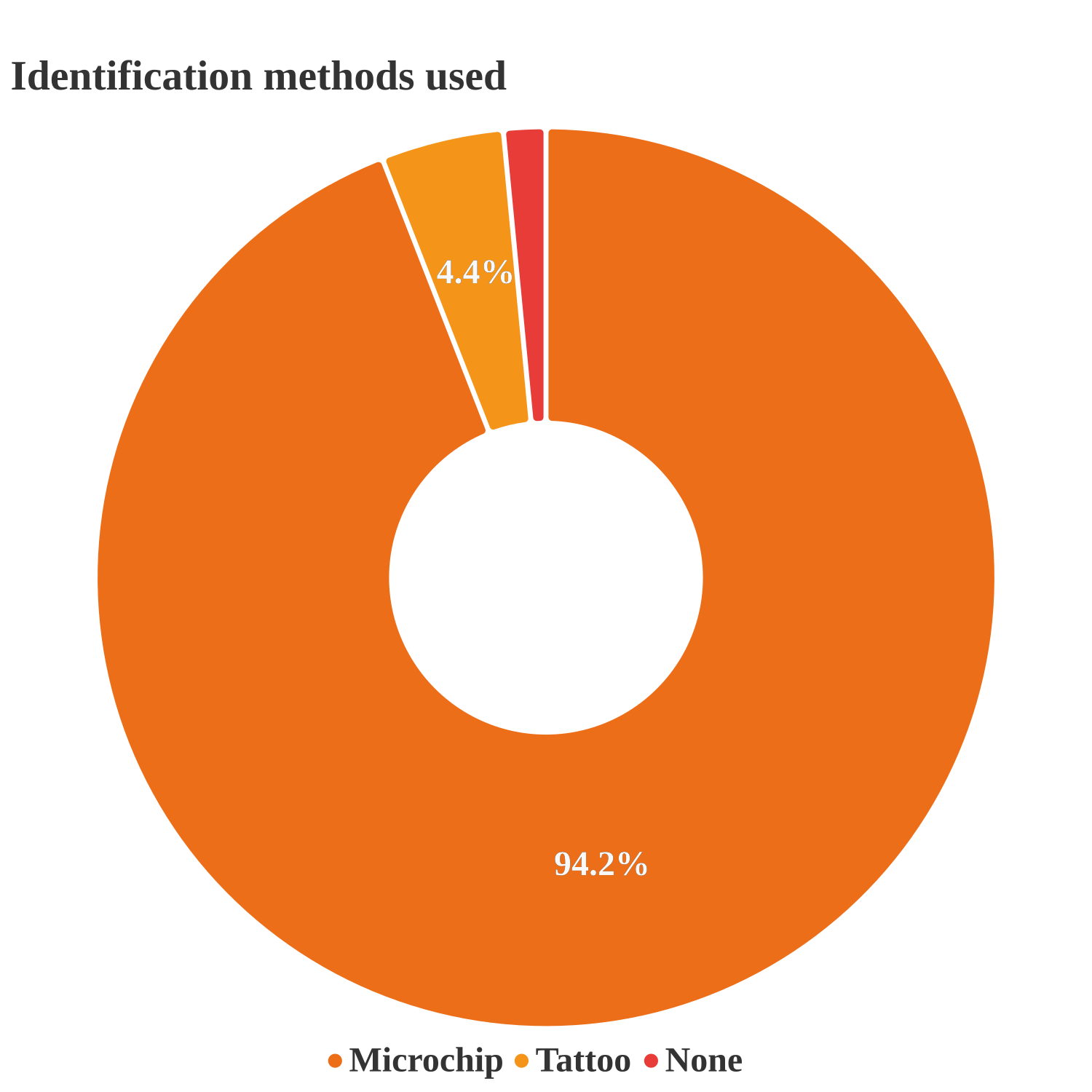
Most pets are microchipped
94.2% of respondents' animals are identified by a microchip, making it the most widely used identification method. However, less than 2% are still unidentified.
Collars with identification tags Thanks to his are less common
Just over half of owners (54.8%) say their pet wears a collar with an identification tag. This figure varies greatly according to the type of animal: 61.9% of cats do not wear a tag, compared with only 27.90% of dogs.
Nearly a third of owners have already lost their pet
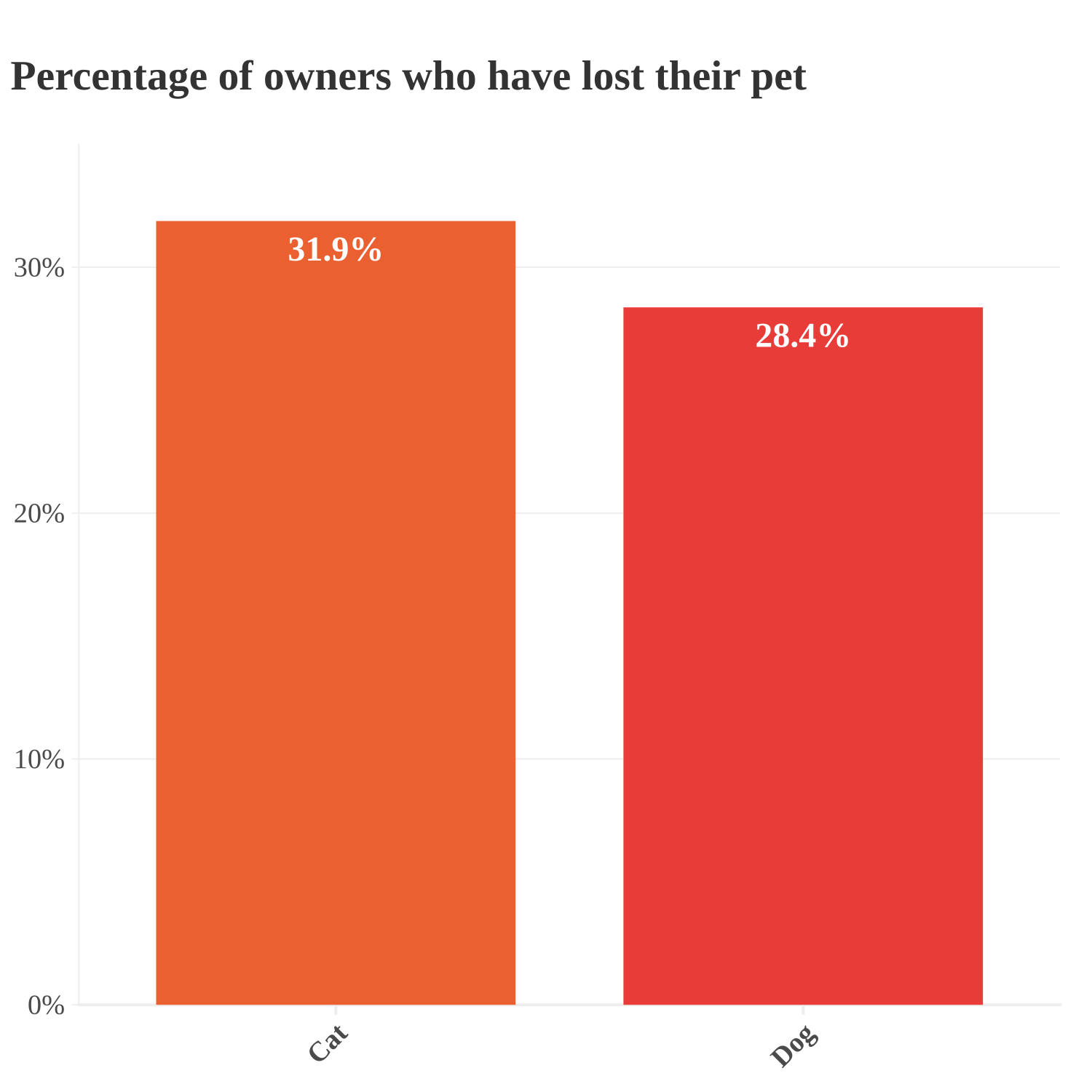
The loss of a pet: a common misfortune
Our survey shows that 30.2% of respondents have already lost their pet, with similar rates for cats (31.9%) and dogs (28.4%).
Young animals are likely get lost
Young animals, especially those between 1 and 3 years old, are the most likely to get lost, accounting for 49.3% of lost animals.
The reassuring contribution of Weenect tracers
The majority of owners (85.6%) are reassured by the use of Weenect trackers, proving their effectiveness in preventing and managing these stressful situations.
Weenect trackers are the most effective way to find your pet
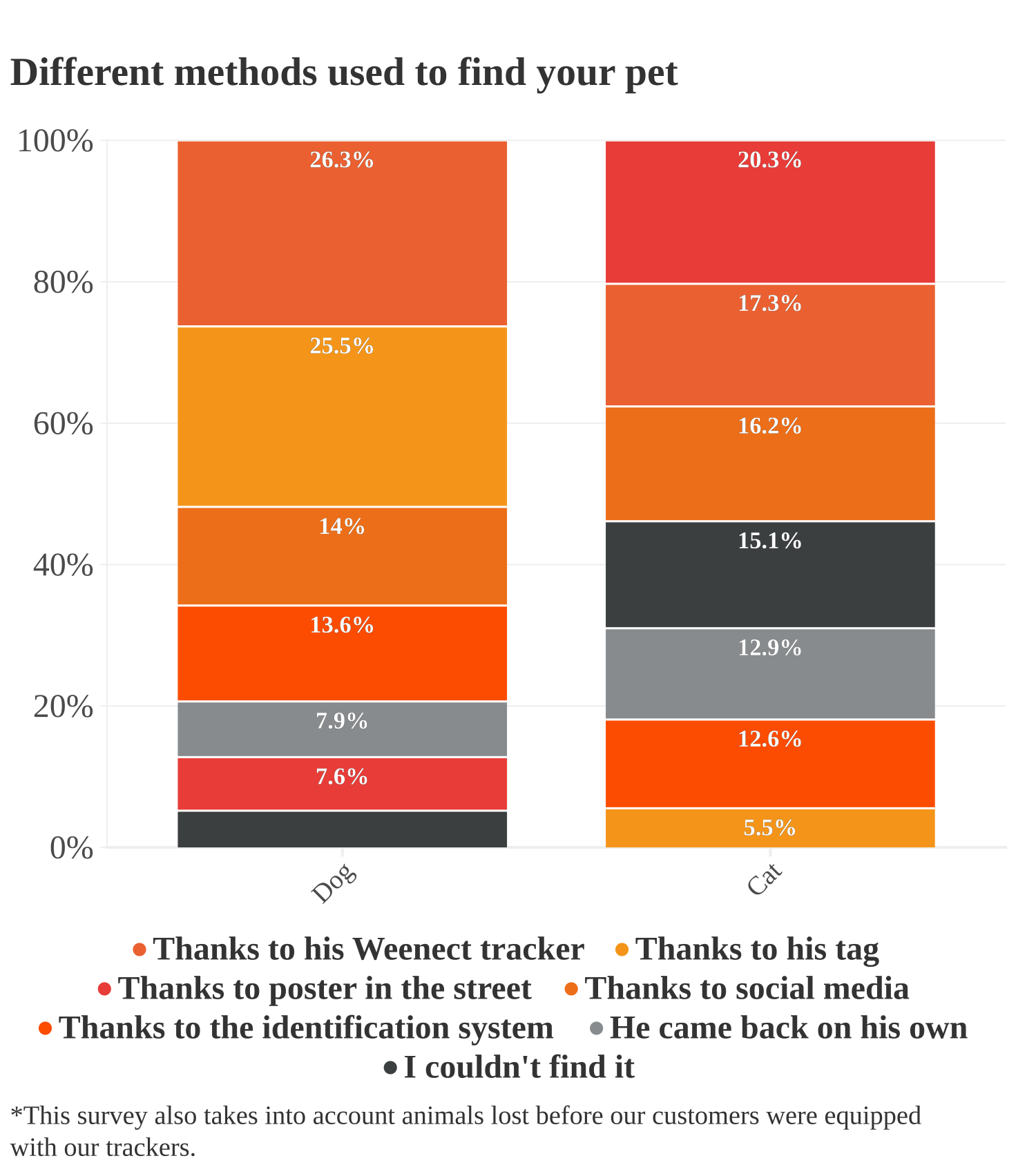
The Weenect XS: the most widely used method for finding lost pets
Our survey shows that 21.8% of owners found their pets thanks to the Weenect tracker. Social networks, the identification tag (15.2% each), posters (14.4%) and the identification system (13.3%) were also useful.
Dogs are more likely to be found thanks to their trackers than cats
Dogs are more often found thanks to their GPS tracker (26.3%) or their identification tag (25.5%). Cats are also found thanks to their trackers (17.3%), but also thanks to posters in the street (20.3%).
Animals are often found quickly and close to home.
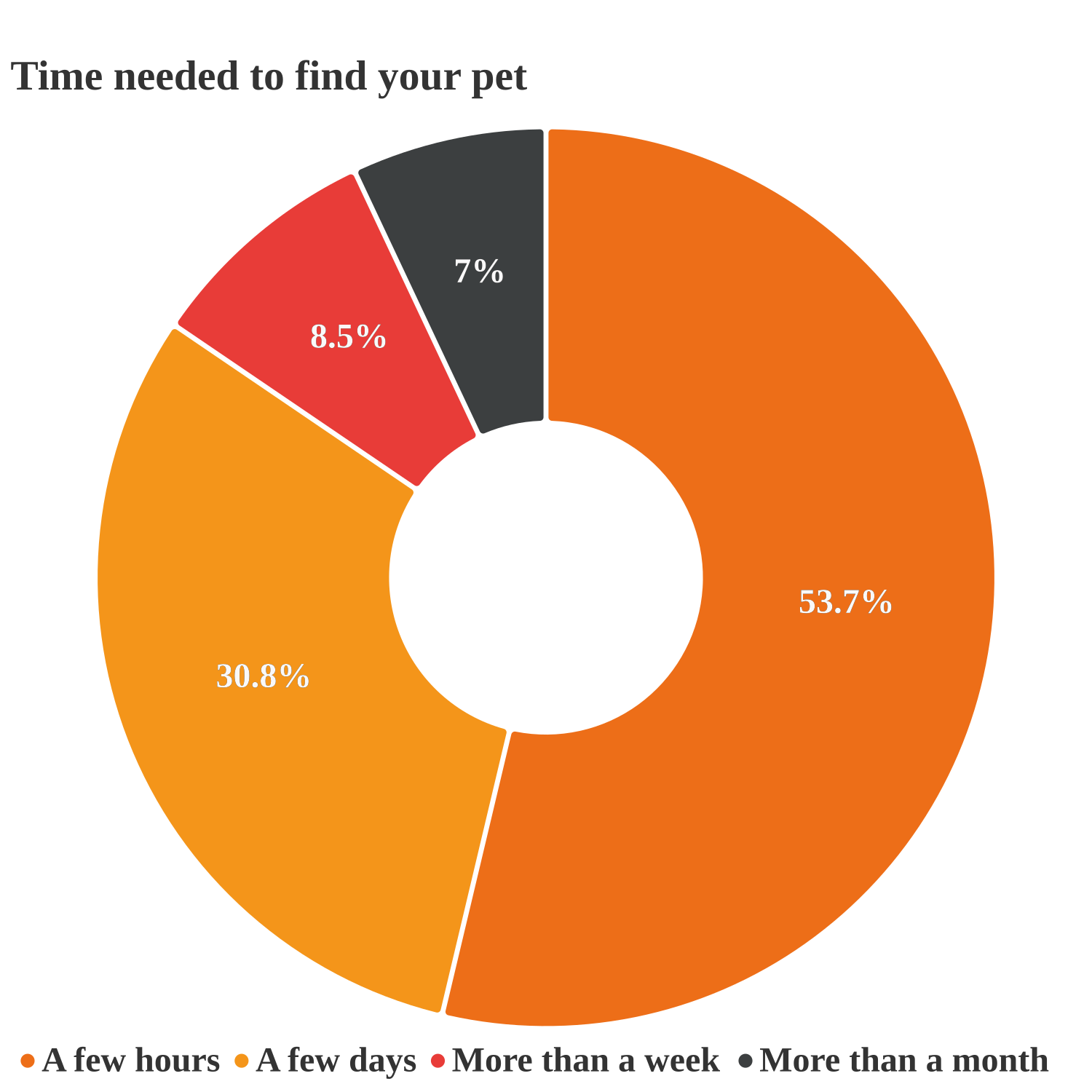
Tracker and tag: effective for quickly finding your pet
More than half of lost pets (53.7%) are found within a few hours. 80.2% of animals with a Weenect tracker and 84.6% with a tag are found within a few hours, while those found via posters or social networks often take several days (60.3% and 39.7% respectively).
The time it takes to find your pet depends on its profile
The majority of dogs (81.5%) are found within a few hours, compared with just 28% of cats. Our study also shows that animals under a year old are often found within a few hours (59.7%) or days (34.7%), while those over 7 years old more often take a week or more (24.6%).
A short distance covered during the fugue
The median distance covered by the animals while they were missing was still 2 kilometers.
Weenect : A all-in-one solution for preventing runaways and quickly finding lost pets

This survey confirms that most pet owners are well-informed about legal identification requirements, with microchipping the preferred method. However, almost a third of respondents have already lost their pet, a distressing experience that demonstrates the importance of effective solutions for quickly finding a lost companion.
The Weenect GPS tracker stands out as the most effective method of finding a pet, thanks in particular to its real-time location functions. At the same time, tools such as safety zones, which alert owners as soon as their pet wanders off, play a key role in preventing runaways.