Study on Animals’ Mischief at Christmas
When Christmas trees, presents, and festive meals turn into chaos…

When Christmas trees, presents, and festive meals turn into chaos…
This qualitative survey was conducted among 213 cat and dog owners from France, Belgium, Germany, Spain, Italy, the Netherlands, and the United Kingdom. Its goal was to better understand how animals experience the end-of-year holidays, a period marked by the arrival of festive decorations, unusual meals with distinctive smells, and a generally livelier atmosphere. The findings shed light on common holiday situations, household traditions, and the ways in which pet owners adapt their routines to ensure their pets feel comfortable and included during this unique time of year.
A notable proportion of animals get into mischief
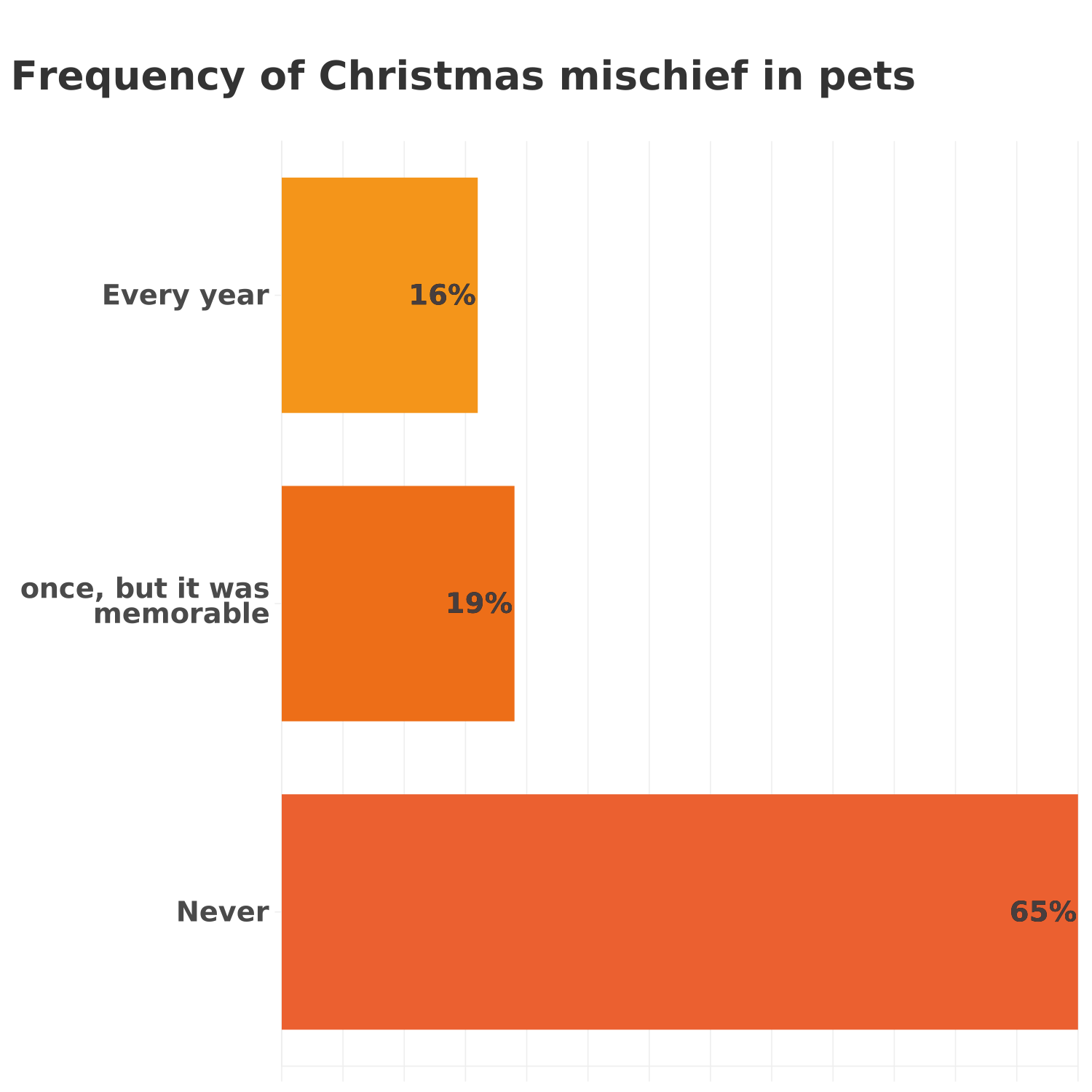
35% of respondents report that their pet has already caused trouble at Christmas, 16% every year, while 19% recall a one-off but memorable incident. Meanwhile, 65% say they have never experienced such mischief. Still, the holiday period is widely viewed as prone to mishaps due to increased stimulation.
Chaos is perceived differently across households
When asked “Who causes the most chaos at Christmas?”, 24% answered animals, 26% children, and 14% said both equally. Among people living alone, 36% describe a chaotic atmosphere despite having no children, highlighting the impact that the festive season has on animal behaviour.
Trees and decorations: irresistible targets
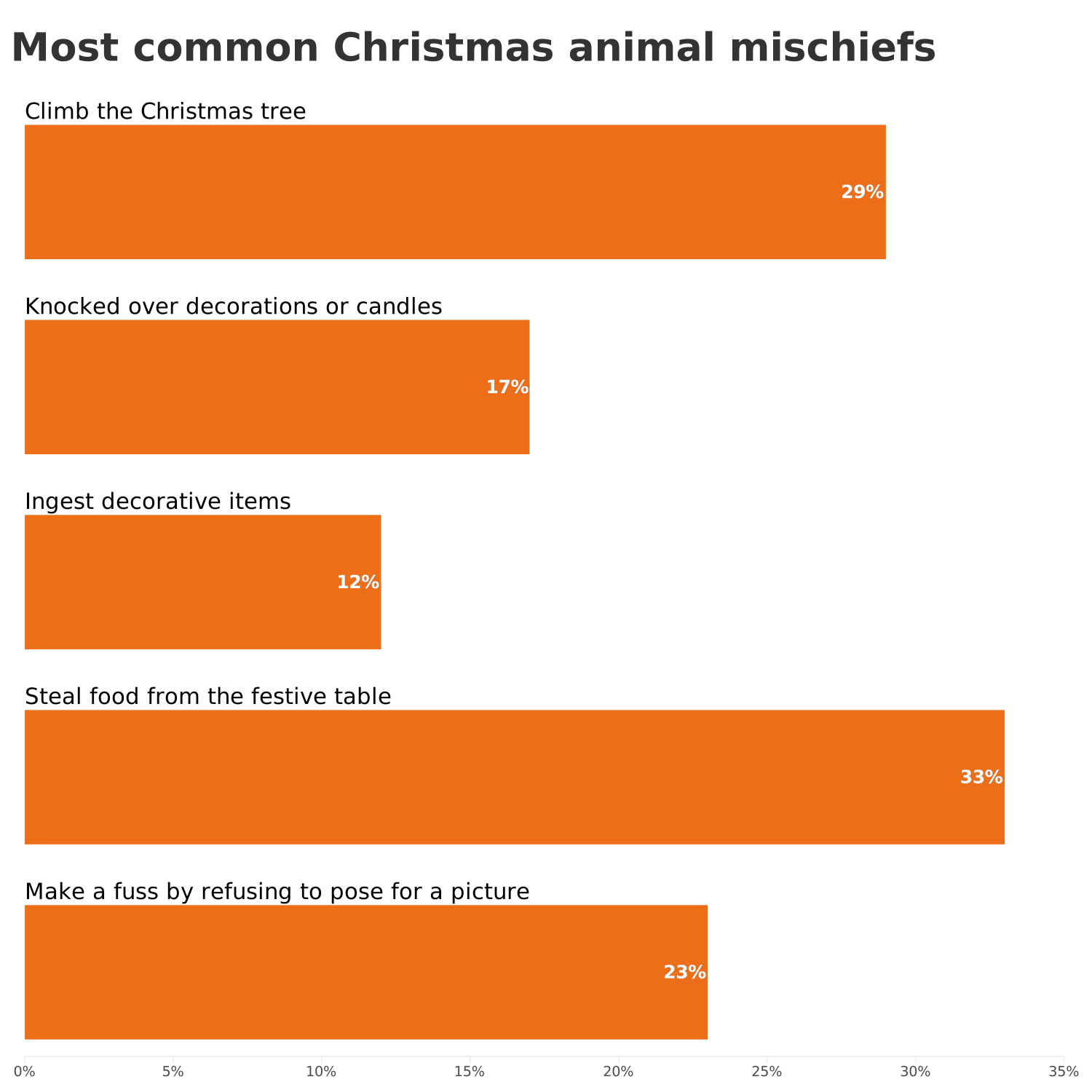
Christmas trees and decorations are among the most affected items: 29% of animals have climbed the tree, 17% have knocked over decorations or candles, and 12% have ingested a decorative item. Additionally, 33% have stolen food from the festive table, and 23% have refused to pose for a photo – sometimes creating even more commotion.
Festive meals and wrapping activities: frequent triggers
Holiday preparations strongly attract animals’ attention. Some 41% have settled on wrapping paper, 20% have stolen ribbons, and 10% have unwrapped gifts. The combination of packaging, enticing smells, and general excitement creates a highly stimulating environment for animals.
Pets’ strong attraction to festive foods
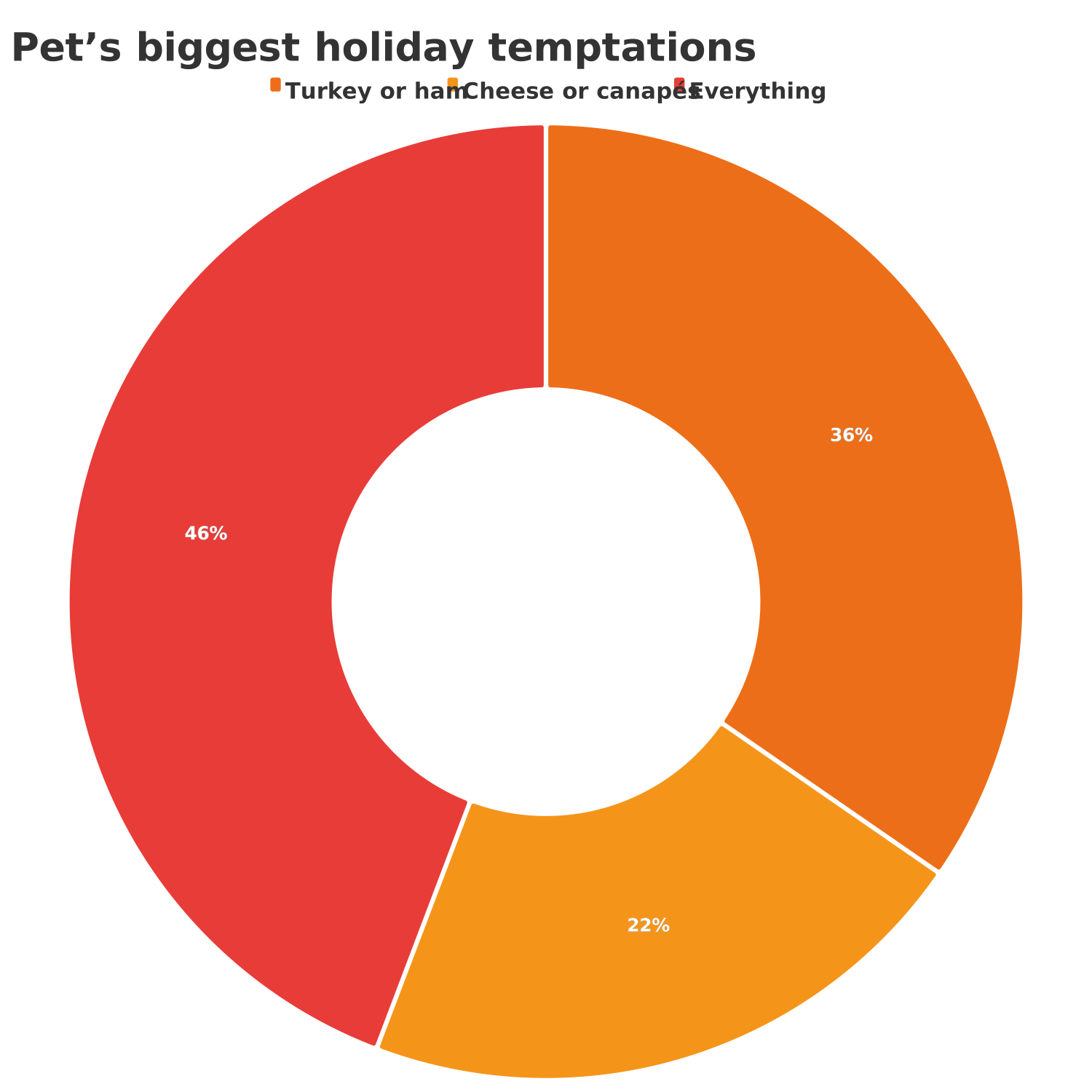
Food is one of the main temptations: 36% of animals are attracted to turkey or ham, 22% to cheese or canapés, and 46% would eat almost anything. This increases the risk of ingesting unsuitable foods.
Vet incidents remain low, and activity tracking helps monitor pets’ well-being
Despite these temptations, most households manage to avoid accidents. Only 3% of respondents consulted a vet after an incident, with another 3% reporting a near miss. Regarding weight, just 12% observed a noticeable increase, while 71% said their pet remained active and healthy — a trend that the Weenect tracker’s activity-monitoring function helps clearly visualise during the festive period.
Gifts and festive habits
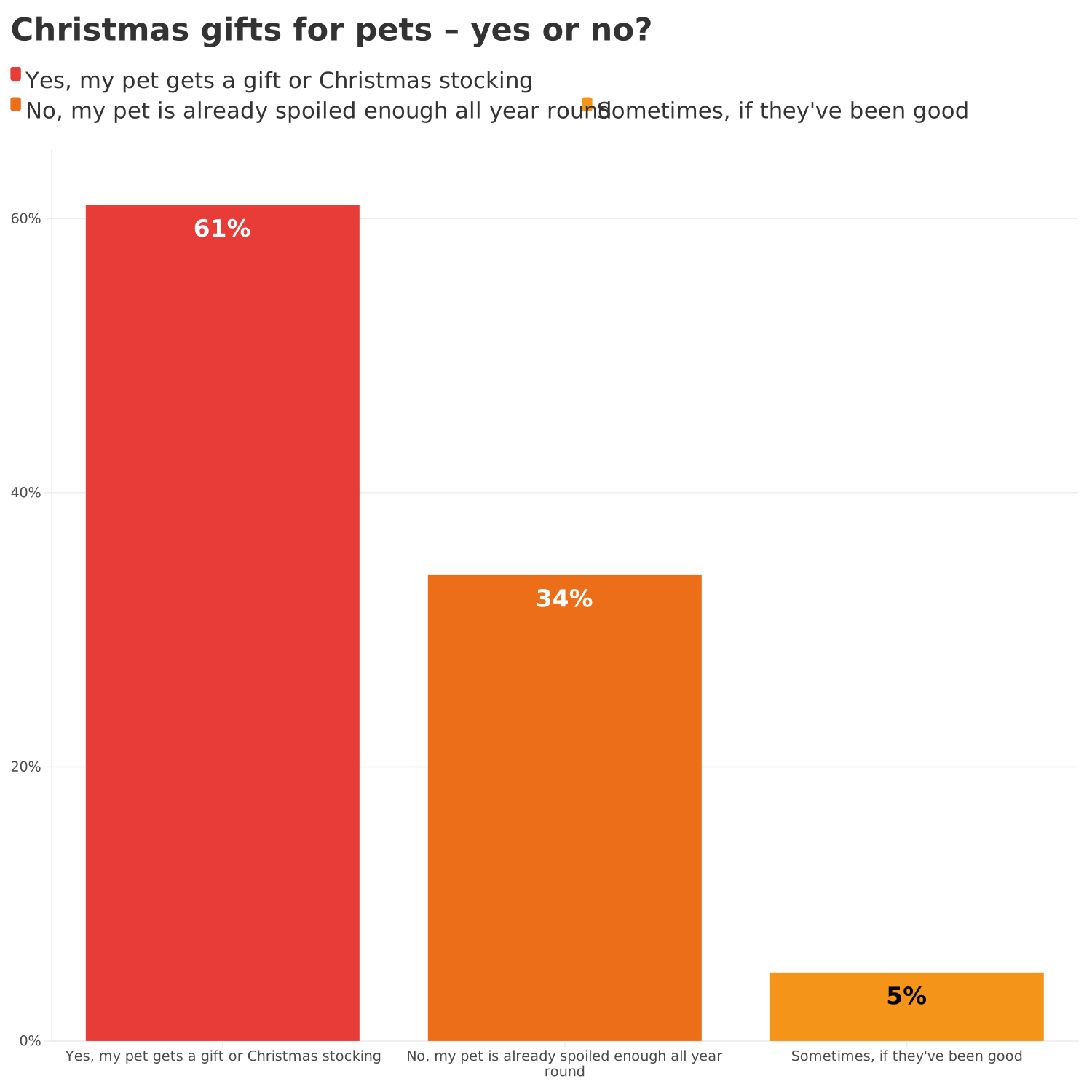
61% of respondents give their pet a gift or Christmas stocking, while 34% feel they are already spoiled enough all year round. This trend reflects pets’ increasing integration into family rituals.
Photos and accessories: mixed enthusiasm
For Christmas photos, 49% of animals pose willingly, 31% cooperate after several attempts, and 20% refuse to take part. When it comes to festive accessories, 10% enjoy them, 17% tolerate them briefly, and 36% refuse costumes altogether.
Varied reactions to guests and holiday bustle
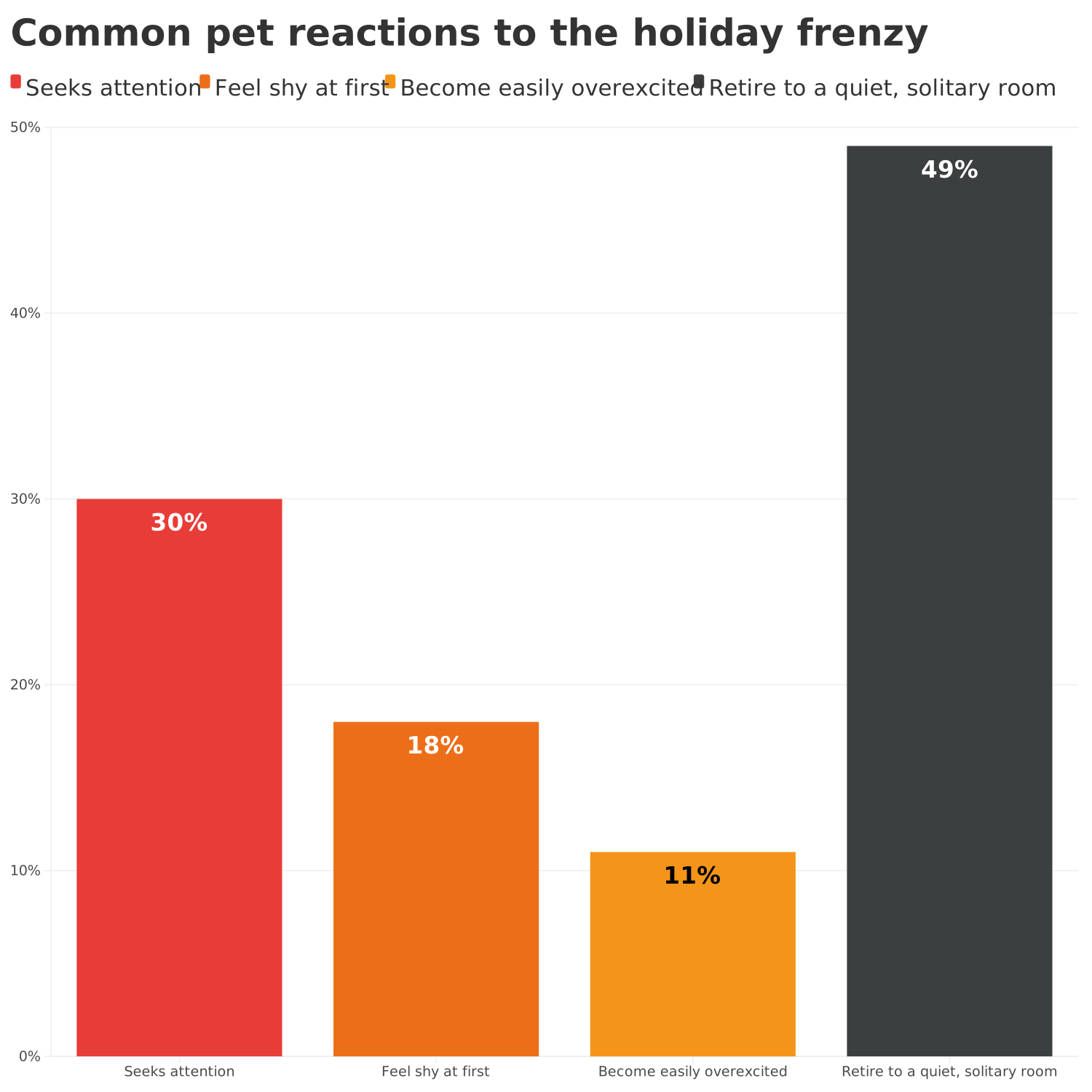
During gatherings, 30% of animals actively seek attention, 18% are shy at first, and 11% become easily overexcited. These differences reflect how each animal responds to the unusual pace of the holiday period.
A frequent need for peace and quiet
Nearly half (49%) of pets choose to retreat to a quiet room when things get too hectic. This behaviour highlights how important it is for animals to have calm, safe spaces where they can take time out, especially in busy households with children. By providing these retreat areas and respecting their need for downtime, owners show that they actively support their pets’ wellbeing.
The end-of-year holidays are a highly stimulating time for pets, and while playful mischief is common, it’s also a period when risks such as overeating, eating unhealthy or even eating poisonous foods can occur. This is why it’s essential to create a festive and safe environment for animals by securing hazardous foods, offering calm retreat spaces, and monitoring their wellbeing. Practical tools like GPS trackers can help locate pets if they wander off amid the holiday commotion, while activity tracking ensures they’re getting enough movement despite the seasonal hustle. Adapting the home in these ways helps ensure a peaceful Christmas for every family member, humans and animals alike.
To access the most relevant information, suitable payment methods, and delivery in your region, please select the website corresponding to your country.