
How Well Do Europeans Know Pet Laws?
A Weenect Quiz on Pet Identification, Welfare Legislation, and Tracking Technology
SURVEY
We conducted a quiz with 4,997 pet GPS tracker users across France, Germany, Spain, Italy, the Netherlands, and the United Kingdom to assess their understanding of pet laws, identification requirements, and tracking technology, all central aspects of responsible pet ownership and compliance. Our aim was to raise awareness and spark meaningful discussion among pet owners. Results show strong overall knowledge across Europe, though some legal nuances still cause confusion.
Are you up to speed on pet laws, ID, and tracking? Take the test to find out !
Spain Leads the Pack
A clear winner, with a tight field behind
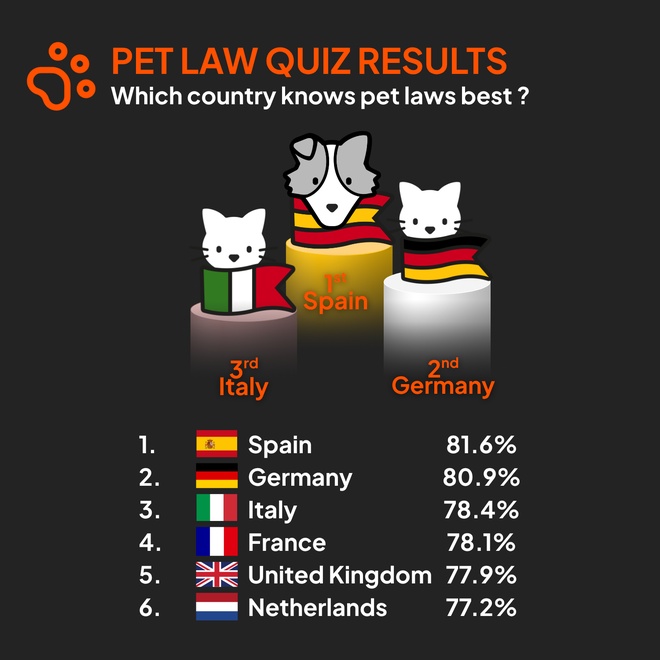
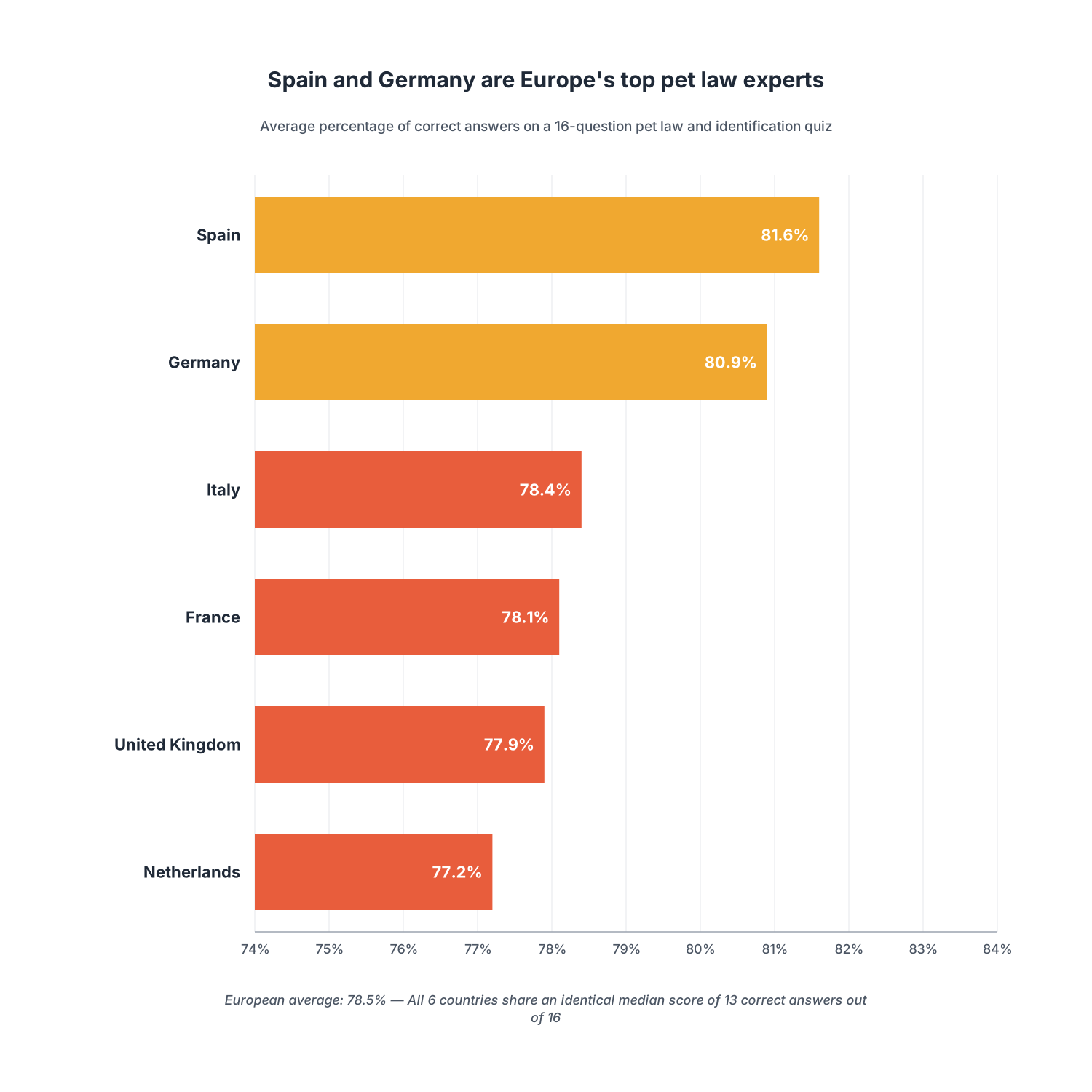
Spanish respondents achieved the highest average score in the quiz, with 81.6% correct answers (13.05/16). Germany followed closely with 80.9% (12.95/16). At the other end of the spectrum, the Netherlands recorded the lowest average at 77.2% (12.35/16).
One number consistent across all six countries
Despite these differences, one indicator is strikingly consistent: the median score is 13/16 across all six countries. This means the majority of respondents in every country answered at least 13 questions correctly, reflecting a broadly solid foundation of knowledge.
The overall weighted average across all 4,997 respondents was 78.5% (12.56/16). Roughly 30% of all participants scored 14 or above, and 2.6% answered every question correctly.
GPS and Identification Technology: Near-Perfect Scores
Microchipping and GPS limitations: universally understood
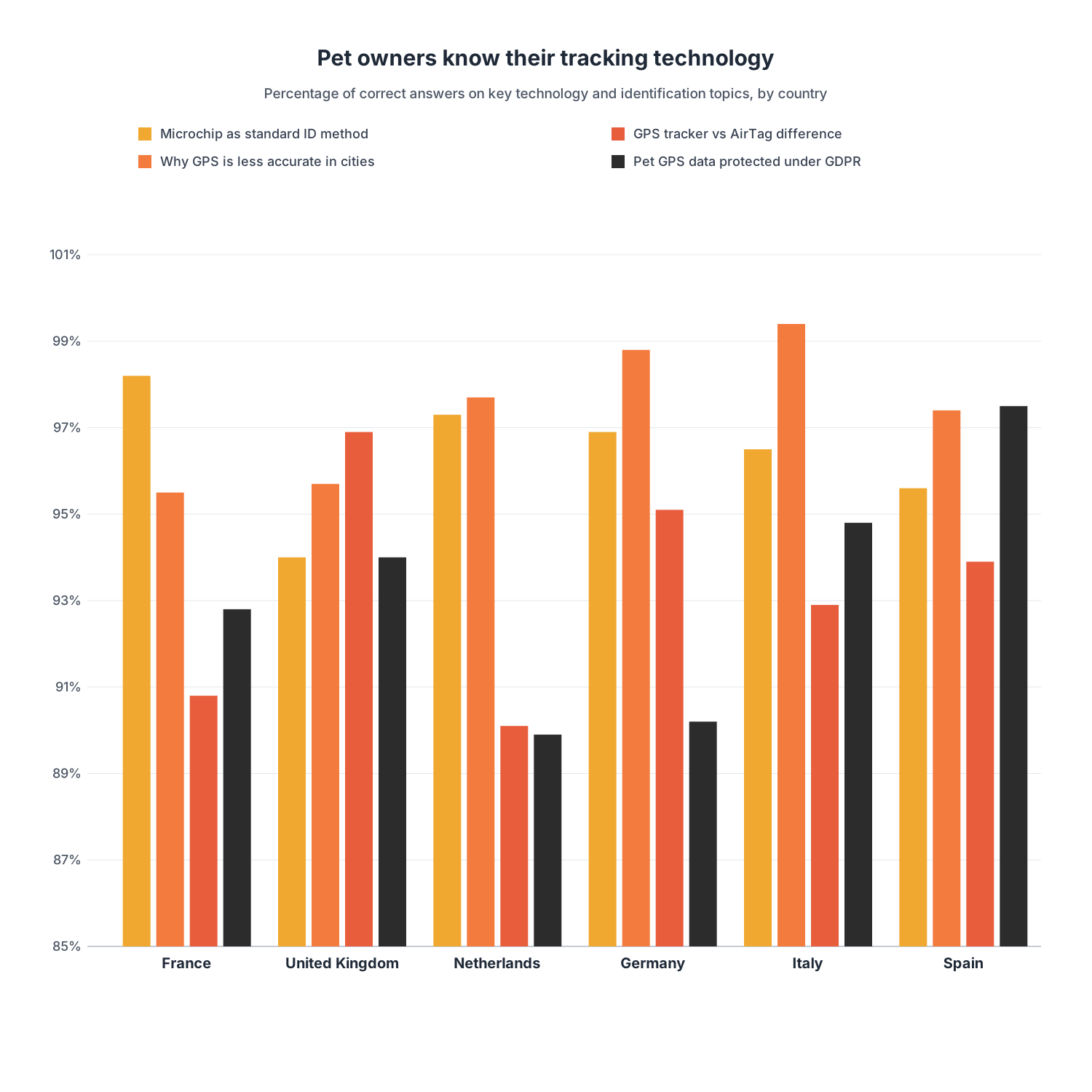
Questions related to GPS tracking and pet identification technology were the easiest across all countries. The microchip is near-universally recognised as the leading international identification method, with correct answer rates ranging from 94% to 98.2%. The technical limitations of GPS in urban environments were equally well understood, with scores between 95.5% and 99.4%.
Strong awareness of tracking technology distinctions
The distinction between GPS trackers and AirTags also scored very high (90.1% to 96.9%), as did the differences between GPS and Bluetooth technology (90.9% to 95.9%). Respondents also demonstrated strong awareness of how pet tracking data is classified under GDPR: as personal data linked to the owner, with scores between 89.9% and 97.4%.
On these technical topics, European pet owners appear well-informed and consistent in their knowledge, regardless of country.
Animal Welfare Legislation: Well -Known at EU Level, Patchier at National Level
EU-level principles: widely mastered
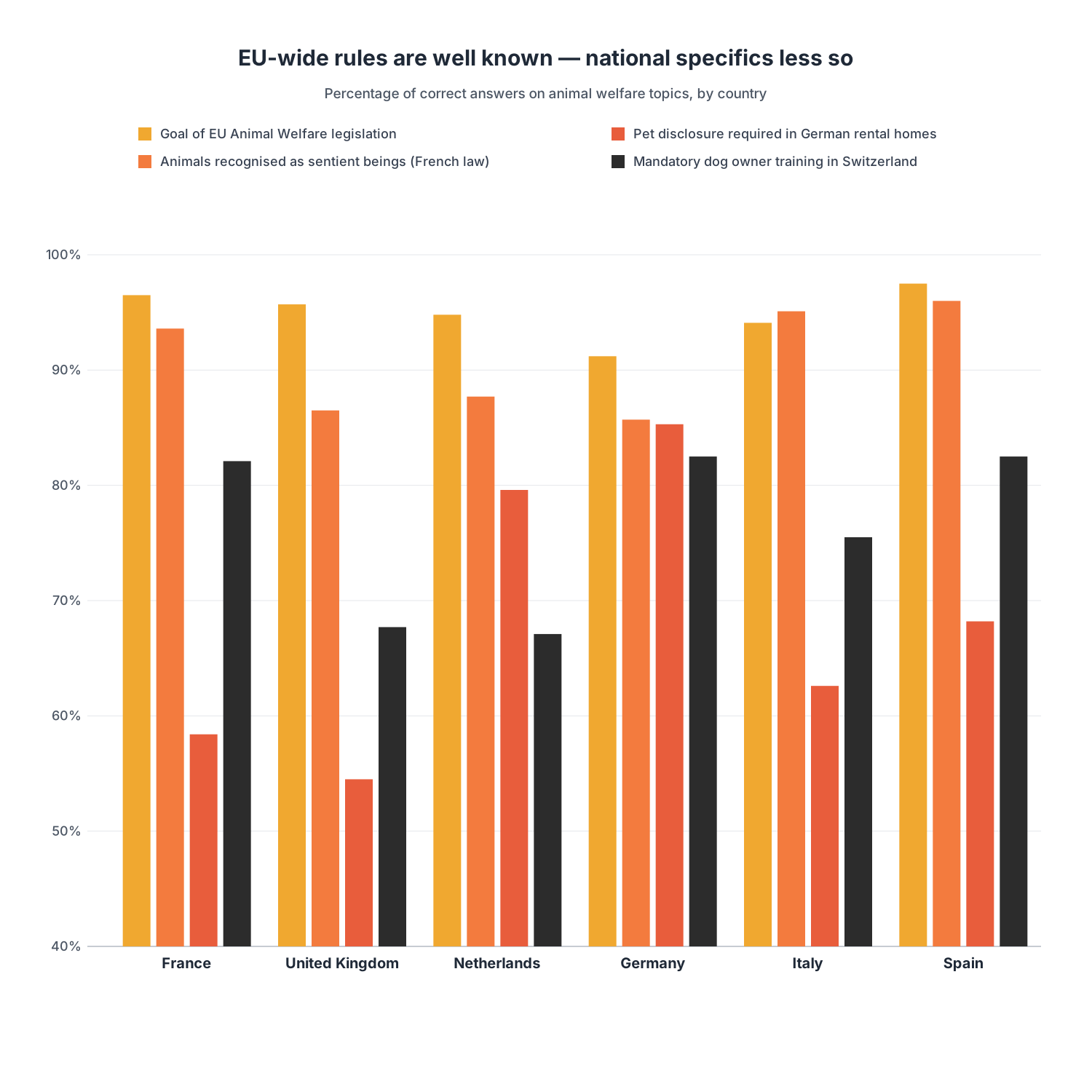
The main objective of the new EU Animal Welfare legislation, standardising identification and welfare rules across member states, was identified correctly by 91.2% to 99.1% of respondents depending on country. The principle that animals are legally recognised as sentient beings under French law was also widely known, with scores ranging from 86% to 97.4%.
National specifics: more uneven
However, knowledge becomes more uneven when it comes to specific national rules. Understanding of the German rental disclosure requirement (tenants must inform landlords if they keep a pet) varies considerably: while Germany itself scores 85.3% and the Netherlands 79.5%, the UK and France lag behind at 54.4% and 58.3% respectively. Similarly, the canton-level mandatory training for dog owners in Switzerland is less well known overall, particularly in the UK and Netherlands (around 68%).
Shock Collars: The Hardest Question in the Quiz
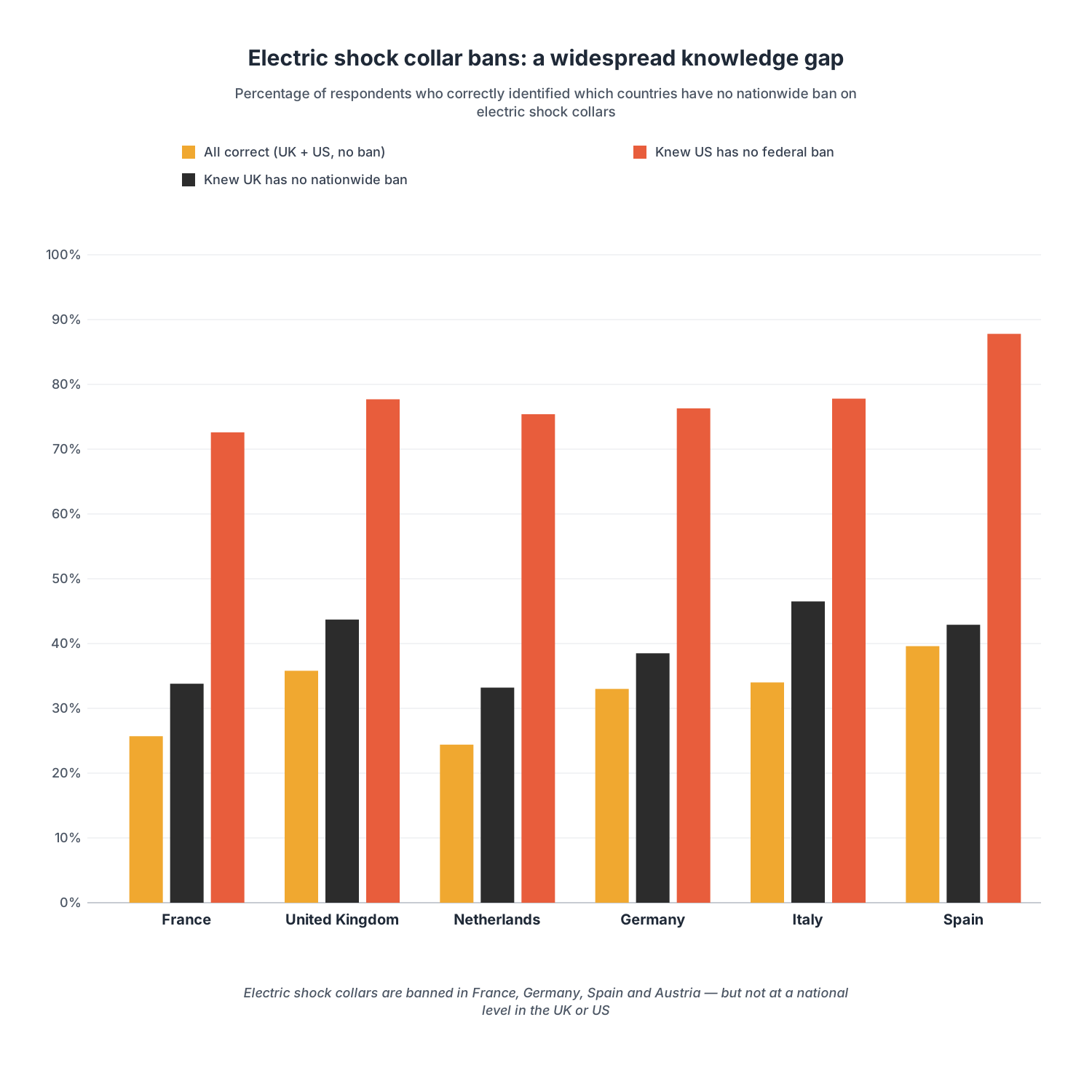
Below 40% correct in every country
Question 8, asking respondents to identify which countries have no nationwide ban on electric shock collars was the most difficult in the entire quiz. Correct answer rates range from just 24.4% (Netherlands) to 39.5% (Spain), making it the only question with a weighted average below 30% (28.3%).
The UK ban status: a widespread misconception
The difficulty lies in the combination of countries to assess. Most respondents correctly identify the United States as having no federal ban (73% to 88%). However, far fewer know that the United Kingdom also has no nationwide ban (only 34% to 47% tick this correctly). There is also widespread confusion about France and Spain: a significant share of respondents incorrectly believed these countries had no ban, when both have national legislation prohibiting electric shock collars.
A Surprising Blind Spot: Spanish Owners Often Overlook Their Own Law
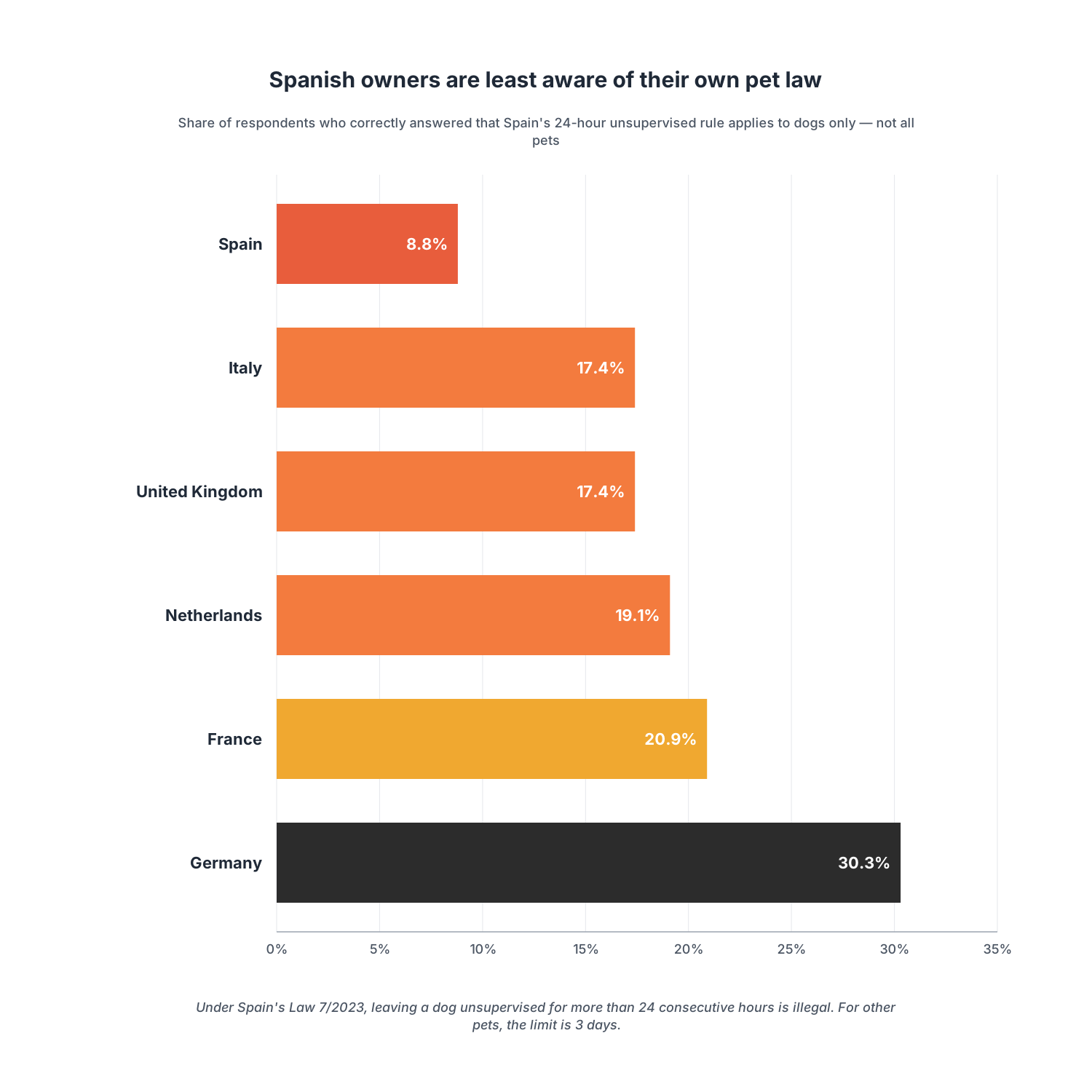
The most striking result of the quiz
Question 10 produced the most striking result of the entire quiz. Respondents were asked to evaluate the following statement as true or false: "In Spain, leaving a pet unsupervised for 24 hours is illegal." The correct answer is false, under Spain's Law 7/2023, the 24-hour rule applies specifically to dogs, not to all pets (for other animals, the limit is 3 consecutive days).
Only 8.8% of Spanish respondents answered correctly
Across all countries, correct answer rates were very low: from 17.4% (UK and Italy) to 30.3% (Germany). The most striking result came from Spanish respondents themselves: only 8.8% answered correctly, the lowest score of any country on any question in the quiz. The vast majority of Spanish pet owners appear to believe the 24-hour rule applies to all animals, when the law makes a clear distinction by species.
Travelling with Pets Across Borders: Well-Understood
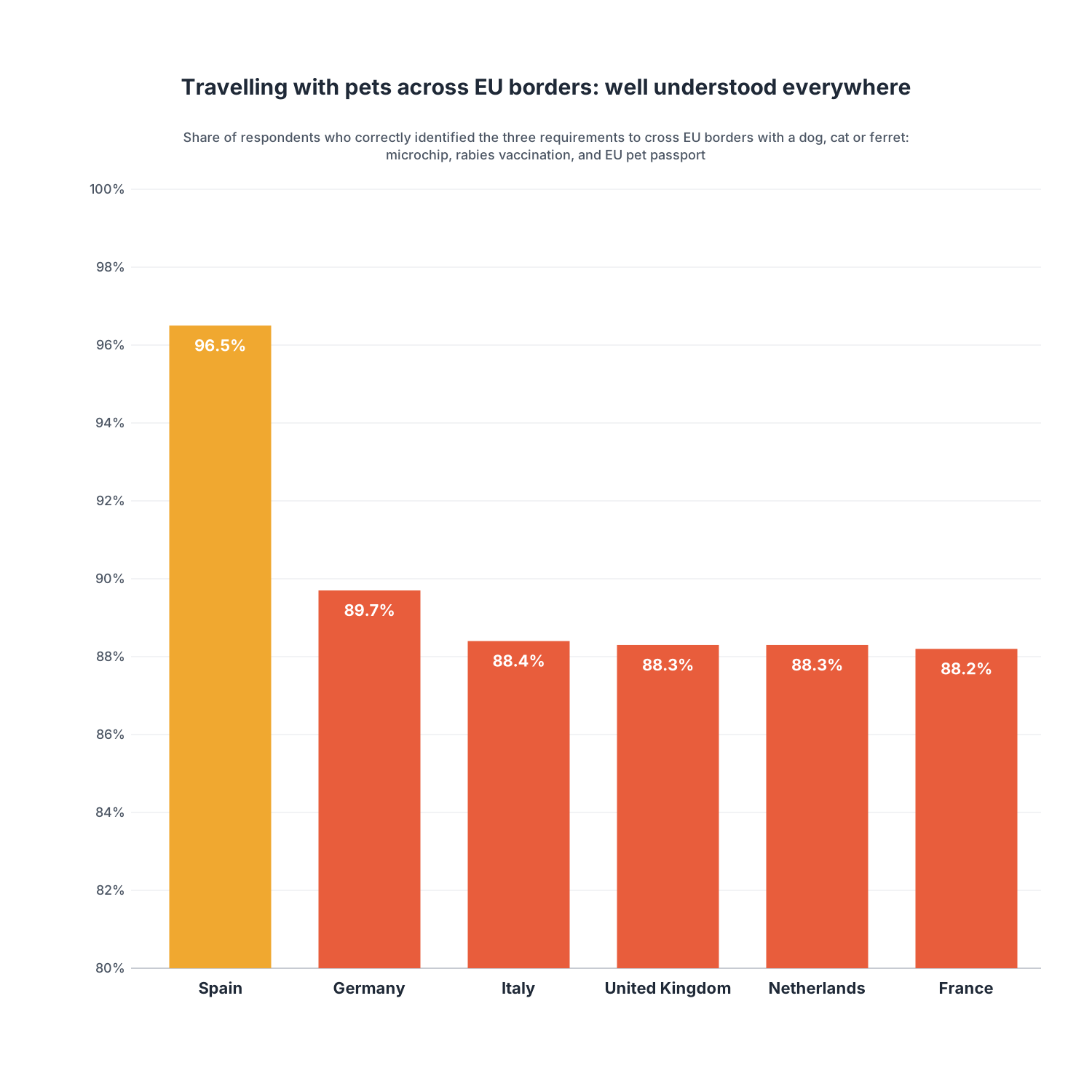
EU travel requirements: clear and well-known
When it comes to EU pet travel rules, respondents demonstrated strong and consistent knowledge. Between 88.2% and 96.5% of participants correctly identified that dogs, cats, and ferrets must be microchipped, vaccinated against rabies, and carry an EU pet passport to cross EU borders. Spain again leads, with 96.5% correct.
An encouraging result for cross-border pet travel
This result is encouraging in the context of increasing cross-border pet travel in Europe. EU requirements are among the most concrete and actionable aspects of pet legislation, and the data suggests that most owners are aware of what is needed before they travel.
CONCLUSION

European pet owners demonstrate a solid understanding of identification technology, GDPR, and EU-level animal welfare rules. Spain and Germany stand out for their overall performance, while the Netherlands recorded the lowest average score, though the gap between countries remains narrow.
The areas of greatest difficulty are those requiring precise legal knowledge: the exact scope of national laws, the status of shock collar bans by country, and, most strikingly, the specific provisions of Spain's own animal welfare legislation. These blind spots are not limited to foreign rules. In many cases, owners misread the laws of their own country.
As more European pet owners travel across borders with their animals, precise knowledge of both EU regulations and national specificities becomes increasingly important. Knowing whether a given practice is permitted, which documents are required, and how welfare obligations vary from one country to another directly affects both animal safety and owner compliance. This survey highlights where that knowledge holds, and where it needs reinforcing.